Key points
- Measure the inside of the opening you fill most often, then match it to a spout a little narrower.
- Wide mouth jars take a spout of about two and a quarter inches. Regular mouth jars take about one and a half.
- Bottle necks need a spout of half an inch or less, which no canning funnel has.
- If you fill jars and bottles in equal measure, the silicone set covers both.
Start with the opening, not the funnel
Most people buy a funnel for one job and then use it for ten. Before you choose, look at the jars and bottles you actually refill. A pantry of wide mouth Mason jars, a shelf of oil and vinegar cruets and a box of travel bottles each want a different spout, and one funnel rarely serves all three well.
Measure across the inside of the opening with a ruler or a tape. The spout should slide a little way in and rest there, so the funnel stands on its own while you pour. A spout that is wider than the opening sits on the rim, tips with the weight of the food and drips down the outside. A spout far narrower than the opening works, but thick food such as jam or salsa takes longer to pass through it.
Canning jars are the easy case. Colorado State University Extension describes the two mouth sizes as regular and wide, and notes that either works with any canning recipe. Bottles are the hard case, since their necks vary from a finger's width down to the thickness of a straw.
Every Delove spout, measured
The figures below come from the dimension panels on our own product photographs. The bowl is the top of the funnel, the part you pour into. The spout is the tube at the bottom, the part that goes into the jar or bottle.
Two patterns stand out. The stainless and silicone sets both carry a spout of about two and a quarter inches for wide mouth jars and one of about one and a half inches for regular mouth jars. Only the silicone set adds a half-inch spout, and only the plastic set goes narrower still, down to less than a quarter inch.
| Set | Funnel | Bowl | Spout |
|---|---|---|---|
| Stainless steel | Large | 5.58 in | 2.25 in |
| Stainless steel | Small | 4.10 in | 1.42 in |
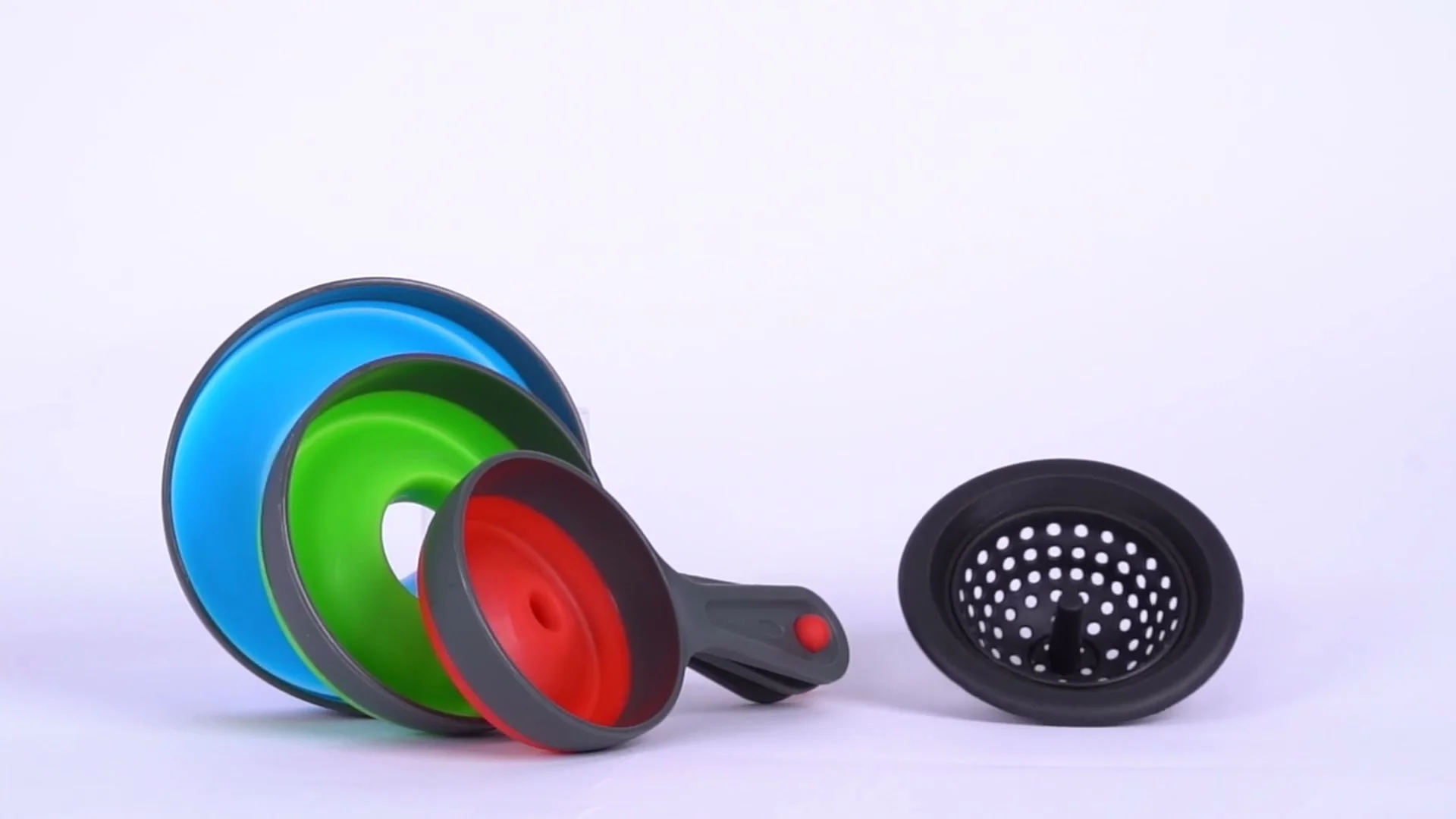
| Silicone | Large (blue) | 4.81 in | 2.2 in |
| Silicone | Medium (green) | 4.17 in | 1.56 in |
| Silicone | Small (red) | 3.24 in | 0.5 in |
| Plastic set of 6 | Six sizes | 1.30 to 4.52 in | 0.23 to 0.55 in |
Wide mouth jars: big spout, steel or silicone
A wide mouth jar is the one you reach for with chunky food. Colorado State University Extension describes wide mouth jars as easier to fill and better at using the space for pickles, green beans and firmer fruit. That is also where a wide spout earns its keep: whole berries, cucumber spears and diced tomatoes pass through a two-inch spout without jamming.
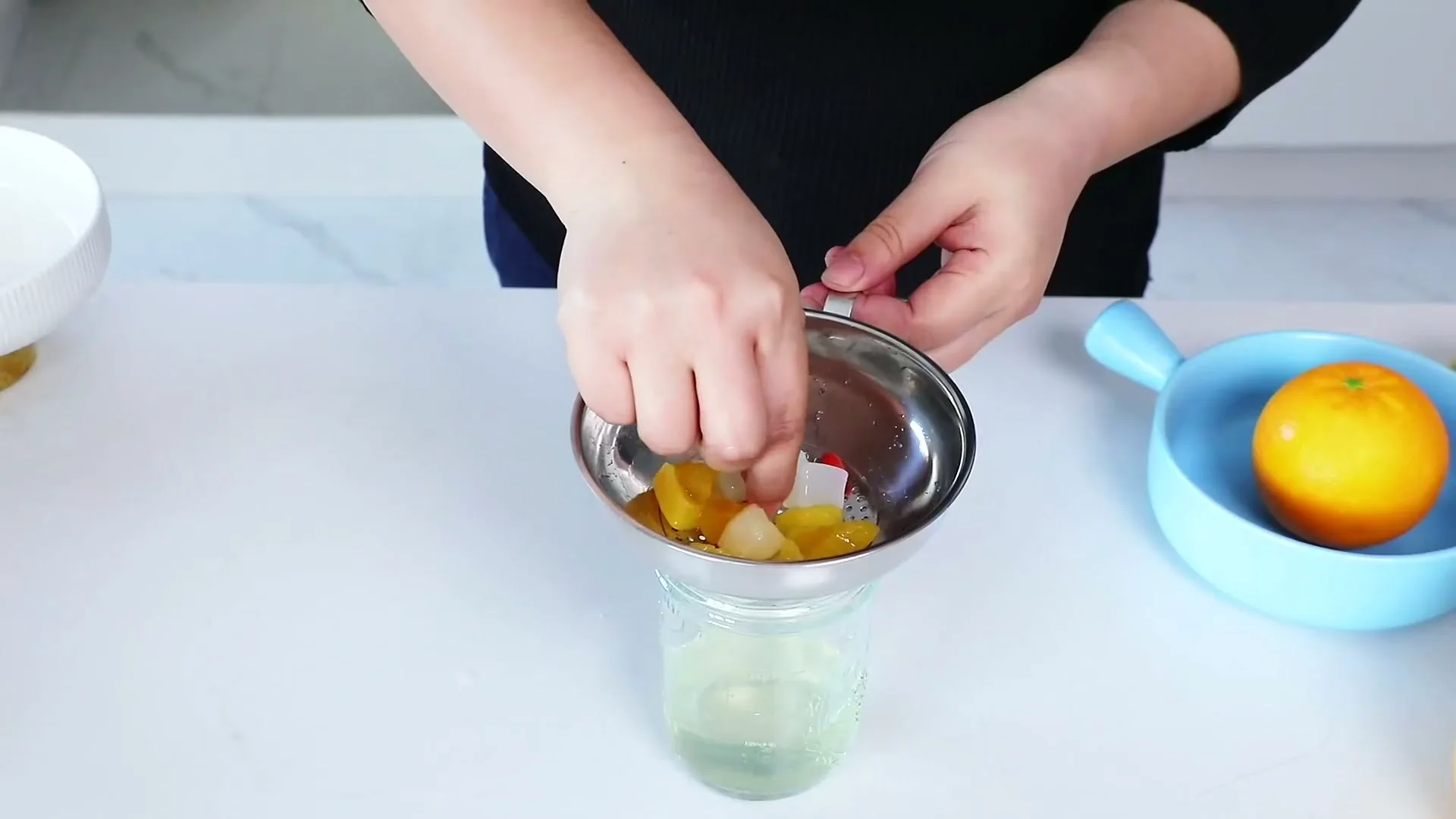
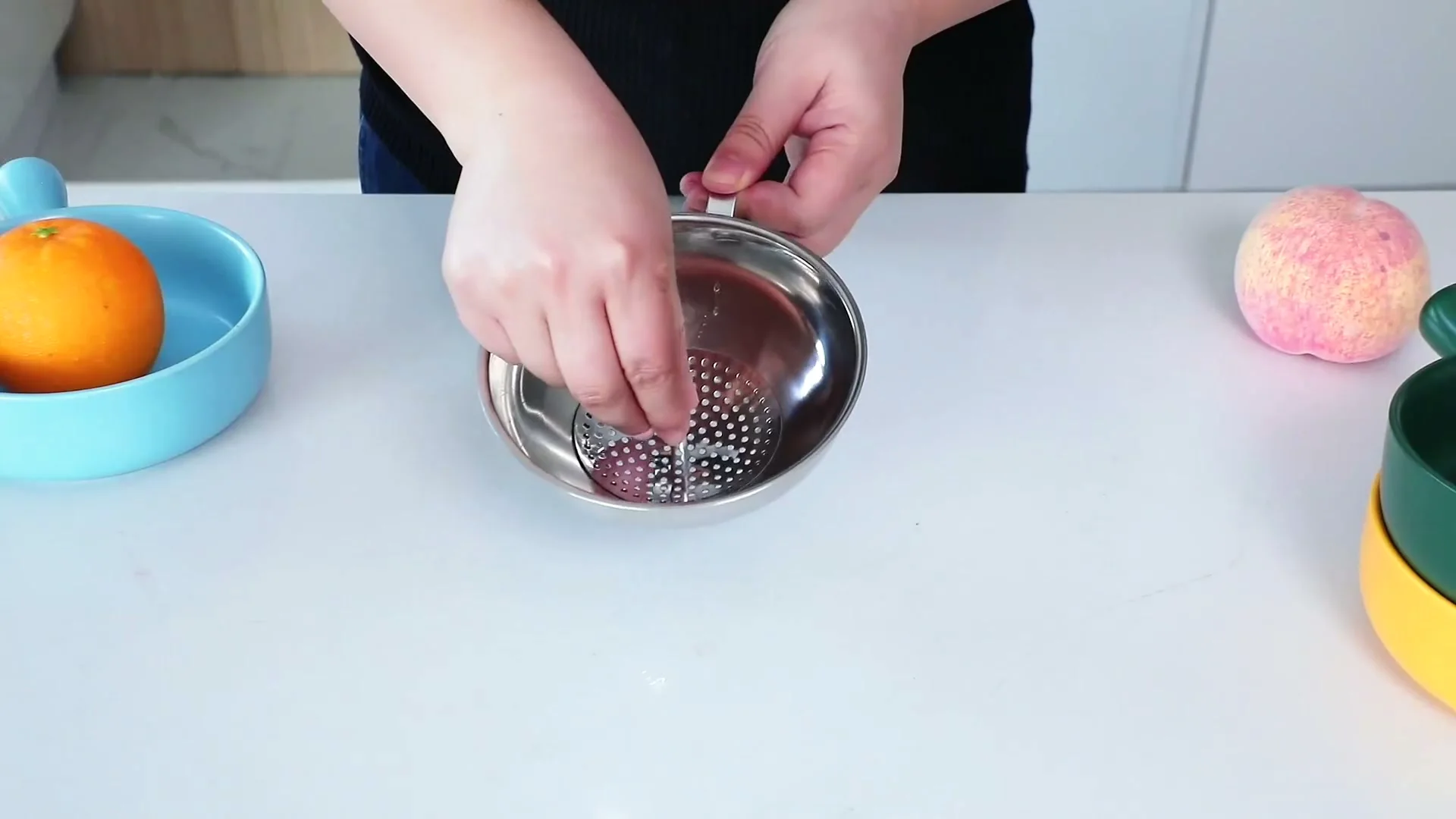
Our stainless canning funnel set puts a 2.25-inch spout under a bowl 5.58 inches across, big enough to take a full ladle in one go. Steel does not mind boiling jam or ice water, and it stays put on the rim of the jar while you work. The silicone set's blue funnel does the same job with a 2.2-inch spout and folds flat afterwards.
Regular mouth jars: the middle spout
Regular mouth jars are narrower, and Colorado State University Extension notes they tend to suit runnier goods: jams, jellies, applesauce and some fruit. A spout of around one and a half inches sits inside that opening with room to spare and still lets thick jam through at a steady pace.
Both canning sets have one. The small funnel of the stainless set has a 1.42-inch spout, and the green funnel of the silicone set has a 1.56-inch spout. Either will also fill a wide-necked bottle, such as a kombucha bottle or a swing-top bottle with a generous mouth.
Jar size is a separate question from mouth size. University of New Hampshire Extension lists half pint, pint, pint and a half, quart and half gallon jars in both mouth styles. The same funnel fills every size of a mouth style, so a pint and a quart of wide mouth jars take the same spout.
Bottles and narrow necks: small spouts only
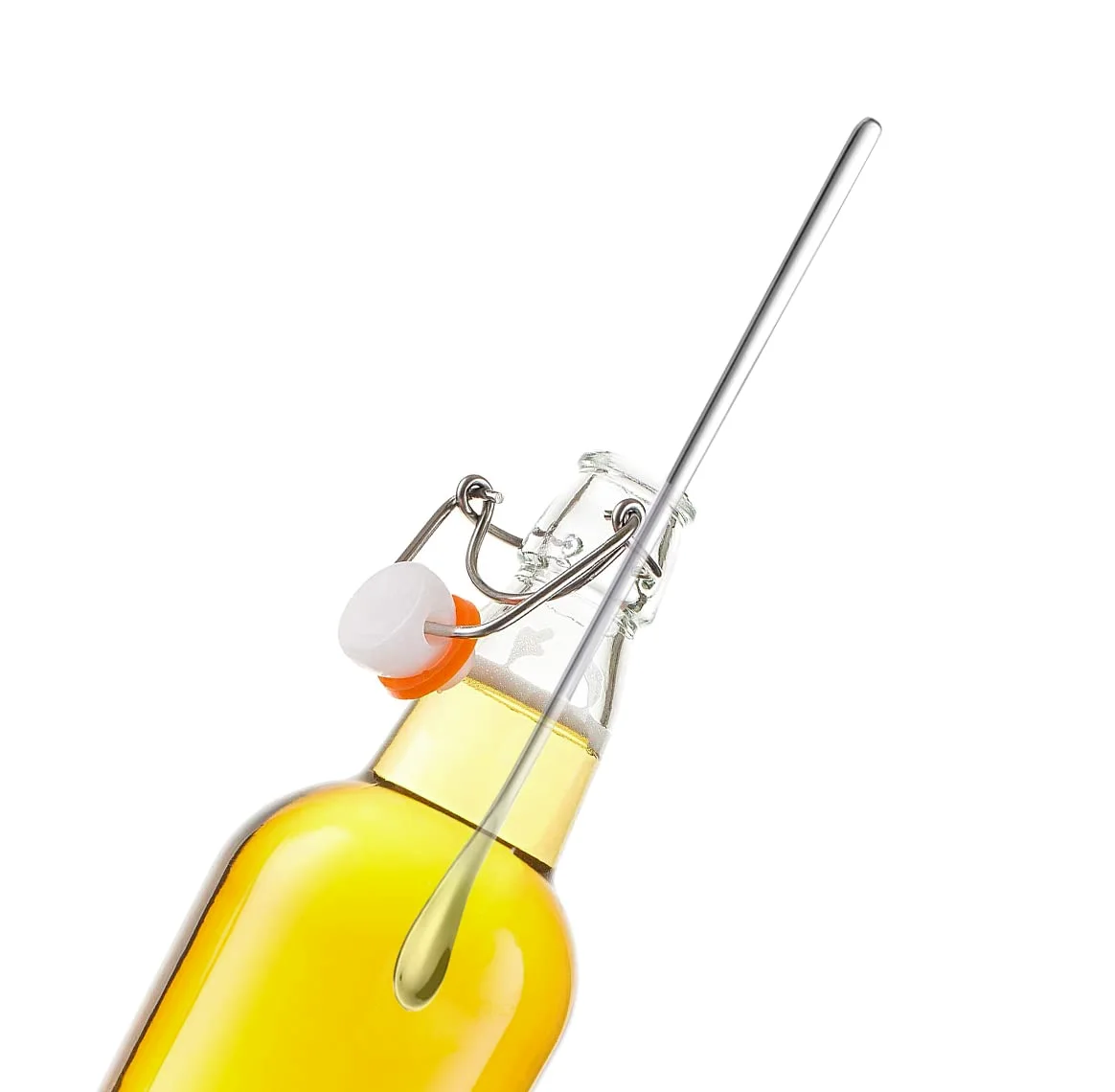
This is where a canning funnel stops being useful. An oil cruet, a hot sauce bottle, a spice jar with a shaker top or a travel bottle has a neck well under an inch, and a canning spout simply sits on top of it. You need a spout small enough to slide inside the neck.
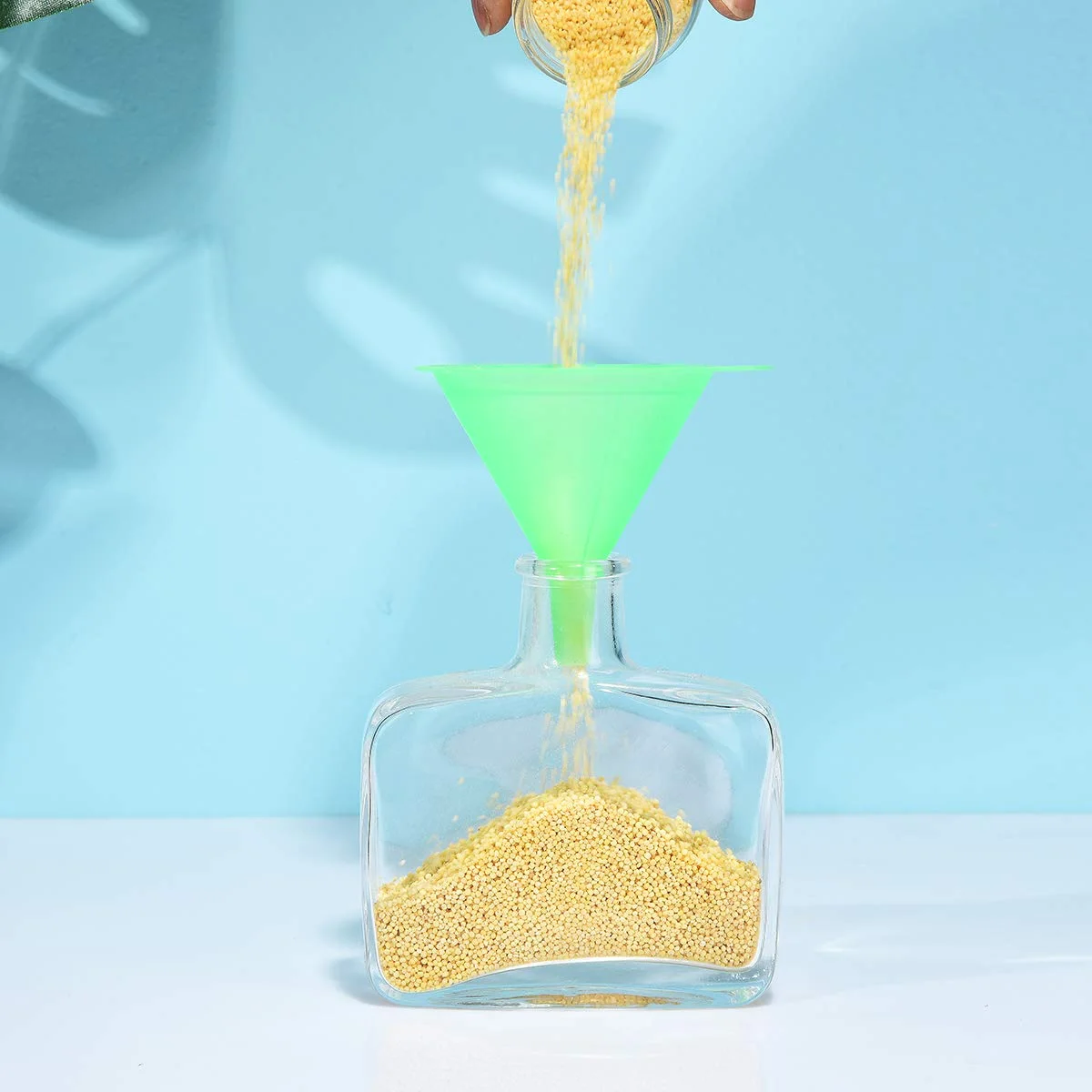
The red funnel of our silicone set has a half-inch spout, which covers most cruets and drink bottles. For anything smaller, the all-purpose plastic funnel set has six funnels with spouts from 0.23 to 0.55 inch, the smallest fine enough for a perfume bottle or a sample vial. The six nest into one stack and hang from a loop.
Narrow spouts pour slowly, and that is a feature. Pour in short bursts and let the bowl drain between them, so the liquid does not back up and spill over the top. For powders such as flour, sugar or ground spice, a light tap on the side of the funnel keeps them moving.
Which set to buy
If you can every summer and fill mostly Mason jars, the stainless set is the one. It is sturdy, it takes heat and it covers both mouth sizes with its two spouts. Its umbrella strainer turns it into a sieve for syrup and tea.
If your kitchen fills bottles as often as jars, or drawer space is tight, the silicone set covers wide mouth jars, regular mouth jars and bottle necks with three spouts and one strainer, and every funnel folds flat. If what you fill is mostly small, from spices to oils to bottles for travel, the plastic set of six is the one with the narrow spouts.
Plenty of kitchens end up with two: steel for canning day and plastic for the everyday refills. You can see all three side by side on Delove kitchen funnels, and our guide on how to fill canning jars with a funnel covers the canning side step by step.
Every product named here is part of the Delove collection.